What the World Cup Is Teaching Me About Curiosity
I have a confession. I am completely addicted to World Cup fan videos.
Every morning I find myself watching clips of the Scottish Tartan Army dancing in the streets, playing bagpipes, and somehow convincing entire bars full of strangers to sing Country Roads.

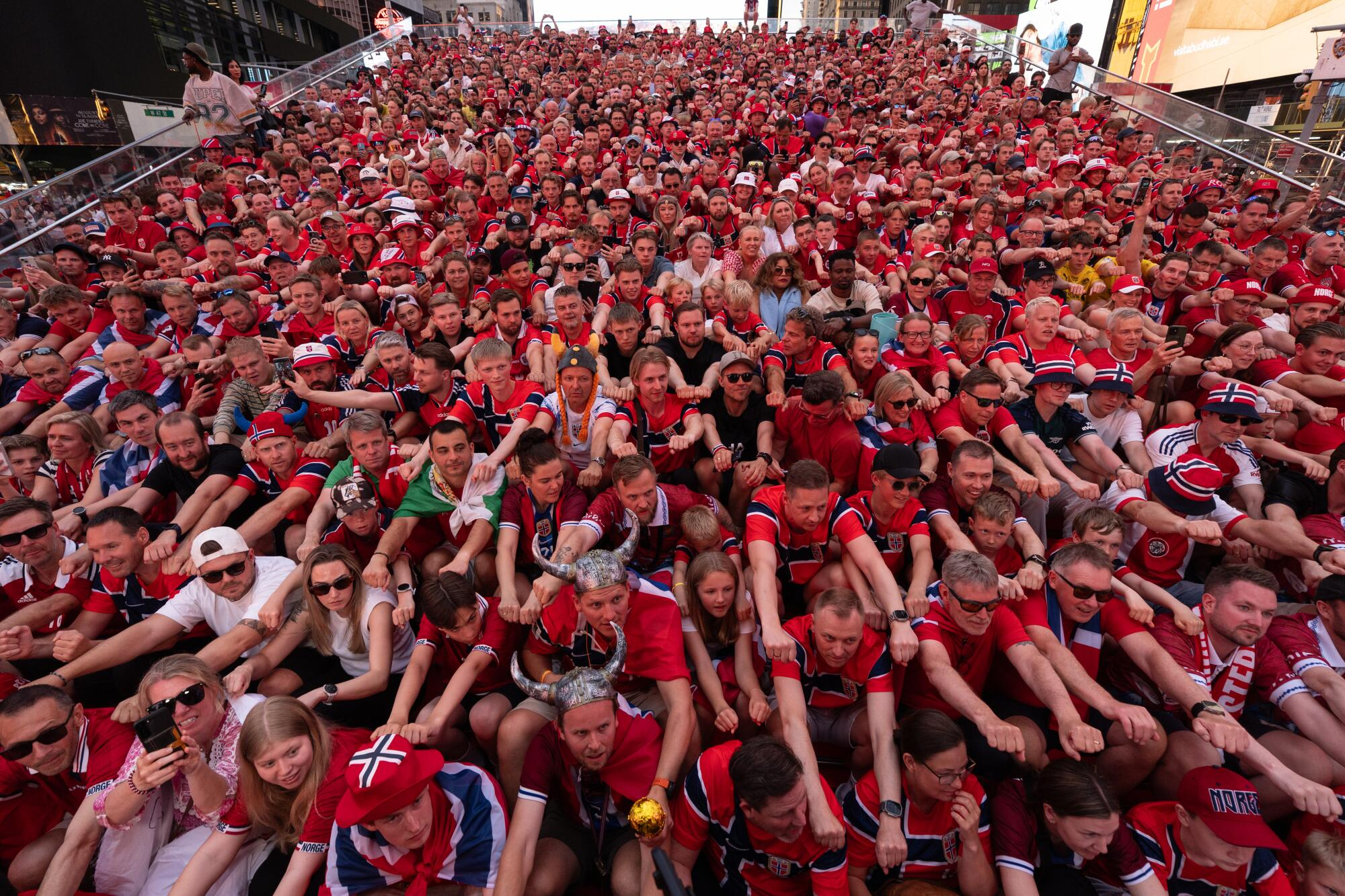
Then there are the Norwegians teaching people their famous rowing chant.
 The Dutch turning every gathering into one giant orange dance party.
I can't get enough of it. But what has really caught my attention isn't the soccer. It's watching these fans experience America. I've seen videos of people trying ranch dressing for the first time. (Apparently ranch dressing is one of our cultural exports.) I've watched them visit cities they've never heard of and discover places far beyond New York City, Los Angeles, and Disney World.
And over and over, I keep hearing some version of the same thing:"This isn't what I expected. It's not what I was told."
That got me wondering. What exactly were they told?
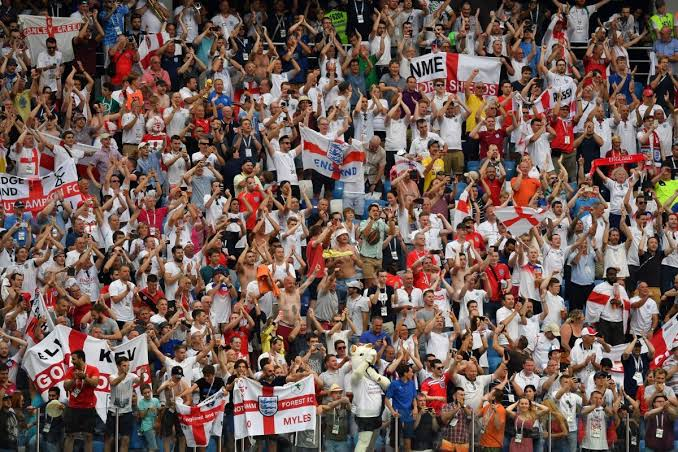 Every country has opinions about every other country. Every media outlet has a narrative. And let's be honest, the news business isn't built around telling us that most people are kind, helpful, and reasonably normal.
That's not a headline.
Travel, however, has a funny way of disrupting the stories we tell ourselves about other people. Because when you actually meet people, share a meal, ask questions, and spend time in their communities, something changes.
You stop seeing a country. You start seeing people. And people are always more interesting than stereotypes.
Mark Twain said it best:"Travel is fatal to prejudice, bigotry, and narrow-mindedness."
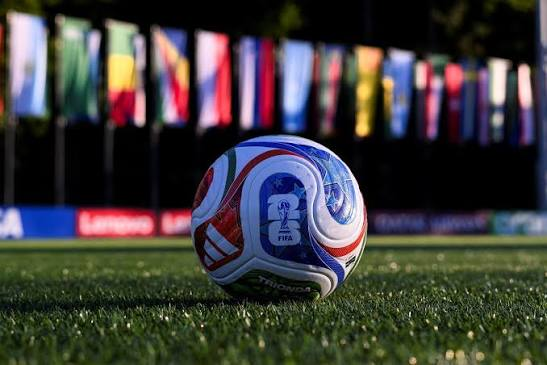 Maybe that's the real gift of events like the World Cup. Not the games. Not the scores. But the reminder to stay curious. To experience things for ourselves. To ask questions instead of making assumptions. Because the more we learn about each other, the harder it becomes to hold onto stereotypes. And the easier it becomes to see each other as human beings.